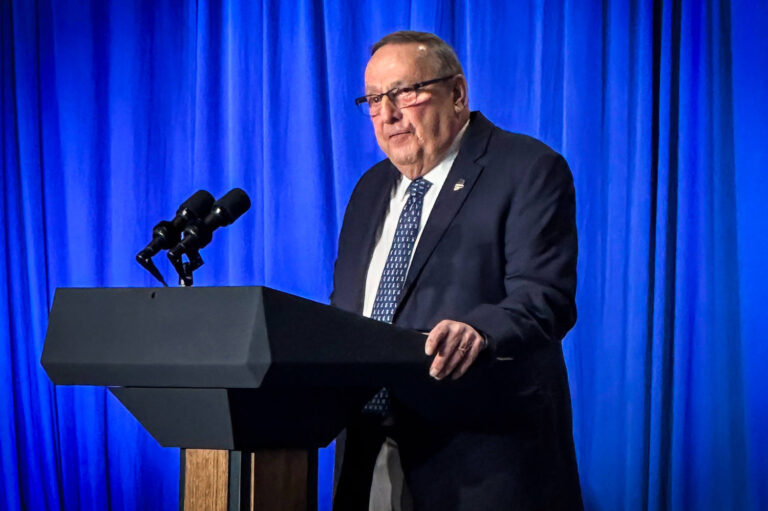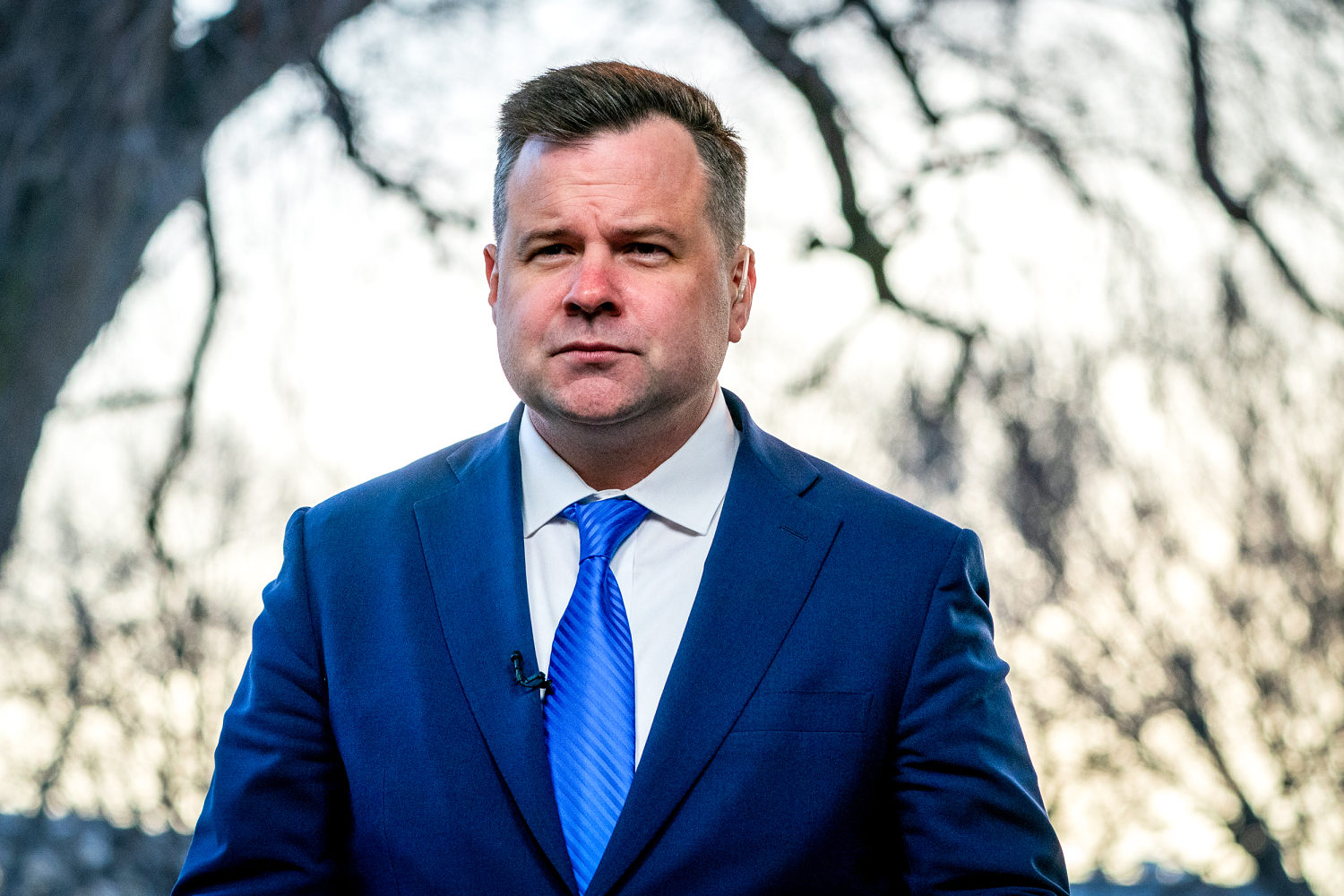
President Trump’s recent appointment of Bill Pulte to lead the intelligence community has raised concerns about the future of a major government surveillance program. FISA Section 702, one of the most potent tools in America’s national security arsenal, is now at risk of lapsing as Congress faces a critical deadline this week. The expiration would mark a significant shift in how U.S. intelligence agencies conduct overseas surveillance and collect foreign intelligence.
Section 702 grants federal intelligence agencies broad authority to monitor communications involving foreign targets without obtaining individual warrants, a capability that security officials argue is essential for counterterrorism and foreign intelligence operations. However, civil liberties advocates have long criticized the program for potentially sweeping up Americans’ private data without sufficient oversight or consent. With Pulte, a businessman and philanthropist with limited traditional intelligence experience, now steering the nation’s intelligence priorities, uncertainty looms about whether his leadership will push to preserve, reform, or abandon this controversial surveillance authority.
The timing presents a crucial moment for lawmakers and administration officials to debate the future of digital surveillance in America. Congress must decide whether to reauthorize Section 702, modify its scope to include stronger privacy protections, or allow it to expire entirely. This decision will fundamentally shape the balance between national security operations and individual privacy rights for years to come.
About the Author