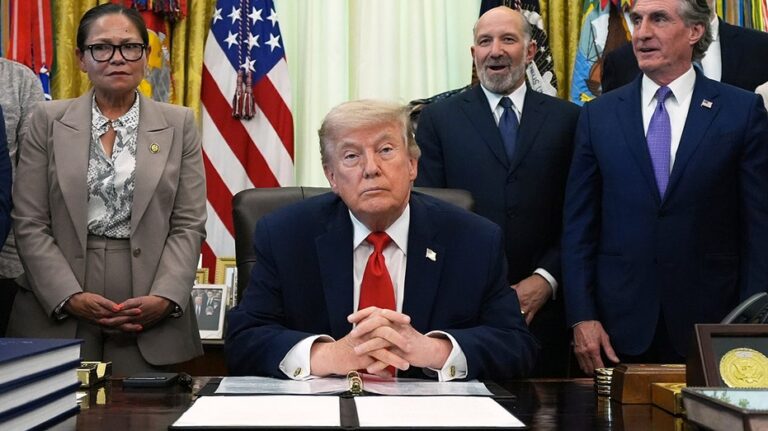
Treasury Secretary Scott Bessent has drawn a stark contrast between two of America’s largest states, suggesting that Texas is rapidly becoming the nation’s economic epicenter at California’s expense. According to Bessent, the shift reflects fundamental differences in how the two states are governed and their approach to energy production. Texas, with its business-friendly policies and robust energy sector, is attracting companies and talent, while California faces headwinds from regulatory burdens and policy challenges that are pushing both residents and corporations to seek opportunities elsewhere.
The Treasury Secretary’s characterization of a “tale of two states” underscores a broader debate about state competitiveness in the modern American economy. Texas has benefited from lower taxes, fewer restrictions on business operations, and a thriving oil and natural gas industry that generates significant economic activity. In contrast, California’s aggressive environmental regulations and high cost of living have created obstacles for businesses and made the state less attractive for relocation, despite its historical position as an innovation and technology hub.
Bessent’s comments reflect a growing recognition among policymakers that state-level governance and economic policy choices have profound consequences for national prosperity. The migration of businesses, jobs, and populations from one state to another isn’t merely a regional concern—it affects the distribution of economic power across the country. As this trend continues, it may reshape which states drive innovation, generate tax revenue, and influence national economic policy in the years to come.
About the Author