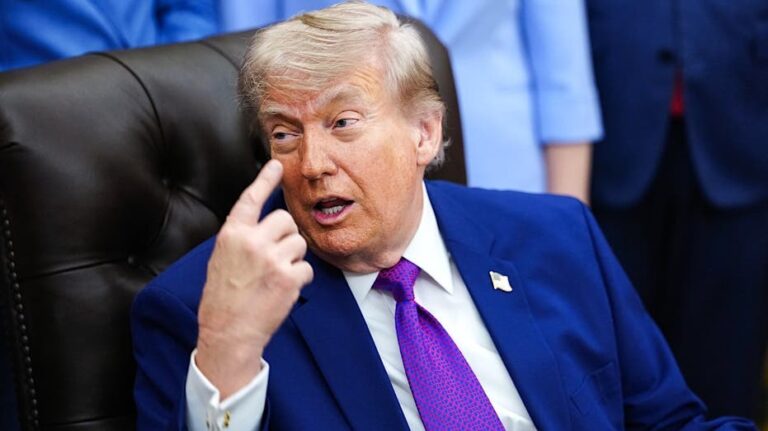
Democratic Senate candidates are coming under increased criticism for their use of aggressive and inflammatory language, particularly following a recent security incident involving former President Donald Trump. The timing of renewed scrutiny over their rhetorical choices has sparked broader conversations about the responsibility of political figures to maintain civility in their public statements. Critics argue that such heated language, especially phrases suggesting violence or harm, can contribute to a toxic political environment and potentially encourage dangerous behavior.
The controversy highlights the growing tension between passionate political advocacy and the need for measured discourse in American elections. While candidates typically employ strong language to energize their base and criticize opponents, observers and watchdog groups are questioning whether some Democrats have crossed ethical lines with particularly extreme expressions. The incident has reignited debates among political analysts and party leaders about appropriate boundaries in campaign messaging.
This development reflects a broader national conversation about political polarization and the consequences of increasingly hostile rhetoric from all sides of the political spectrum. As the election cycle continues, both major parties face mounting pressure to demonstrate leadership by toning down divisive language and modeling the kind of respectful engagement that many voters say they want to see in American politics.
About the Author