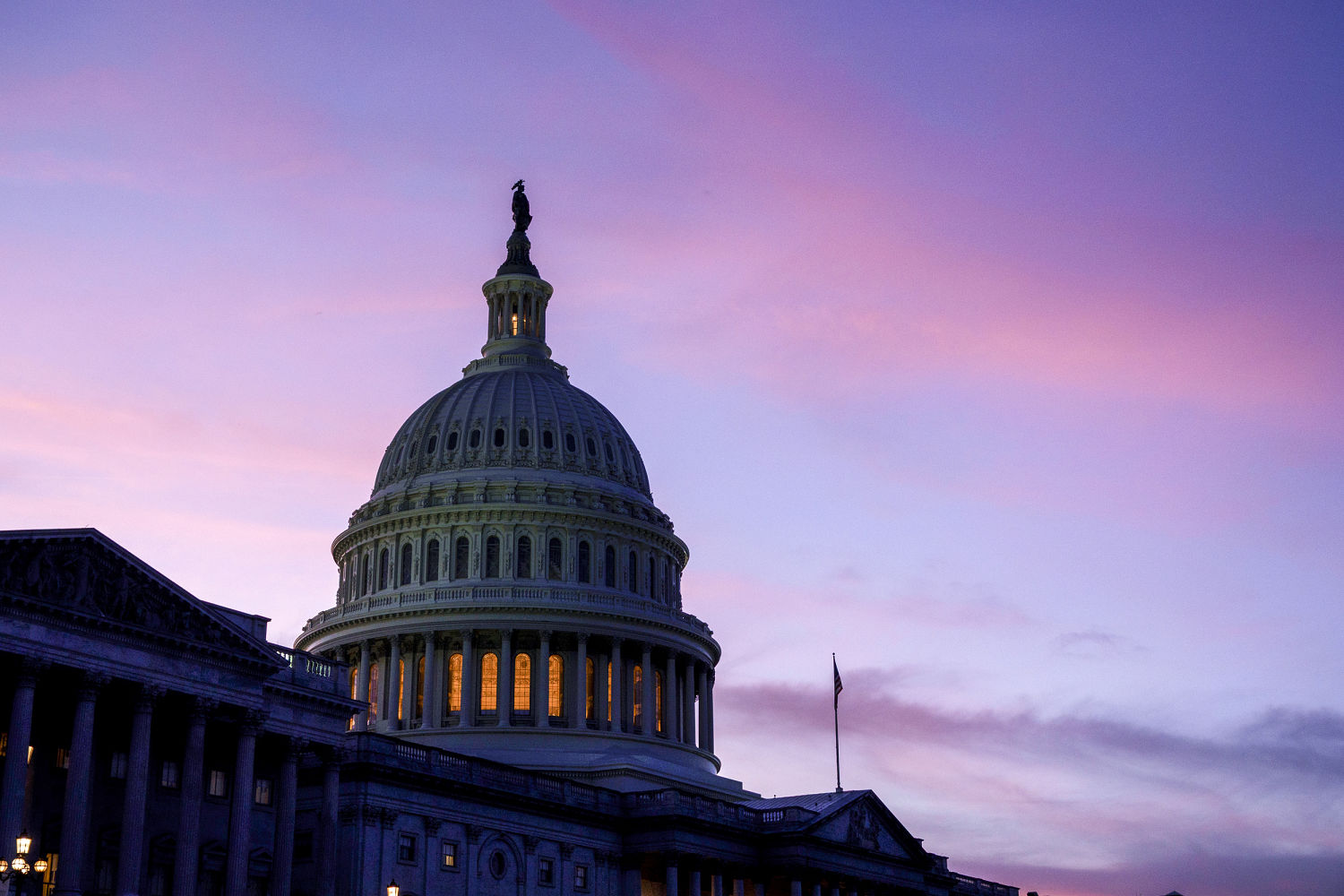
One of America’s most significant intelligence tools is running out of time. A critical government surveillance program that gives federal agencies broad powers to monitor foreign individuals by scooping up communications that pass through U.S. networks will expire Friday unless Congress steps in to extend it. The problem is that lawmakers have already left town for the weekend, leaving little chance for last-minute legislative action before the deadline hits.
This surveillance authority has been a cornerstone of America’s intelligence operations for years, enabling the U.S. government to cast a wide net when tracking potential threats originating from overseas. The program operates by capturing domestic communications—phone calls, emails, and internet data—that involve foreign targets, allowing intelligence agencies to gather information without needing traditional warrants for each individual case. It’s a powerful tool, but one that has long sparked debate among civil liberties advocates who worry about the potential for abuse and privacy violations.
With Congress having already adjourned without voting on an extension, the program faces an uncertain future. The expiration raises important questions about what happens next: Will the government lose critical surveillance capabilities? Will Congress reconvene quickly to restore the program? The clock is ticking, and the answers remain unclear as one of America’s most consequential intelligence-gathering authorities hangs in the balance.
About the Author