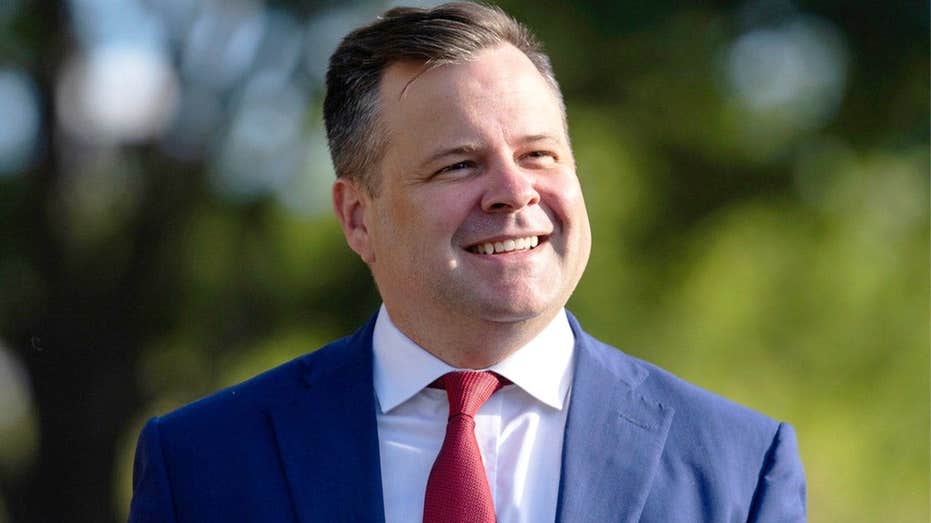
President Trump has announced Bill Pulte as acting director of national intelligence, a decision that has immediately drawn scrutiny from lawmakers and political observers. Pulte, who previously served as director of the Federal Housing Finance Agency, will step into one of the most sensitive and demanding positions within the U.S. government—overseeing the entire intelligence apparatus and advising the president on critical national security matters.
The appointment has raised eyebrows among both Republican and Democratic critics who question whether Pulte possesses the necessary background and expertise for such a high-stakes role. Unlike traditional intelligence directors who typically come from careers in espionage, military intelligence, or national security affairs, Pulte’s professional experience centers primarily on housing finance policy. Lawmakers have expressed concerns that his lack of background in intelligence operations and national security could leave the country vulnerable during an increasingly complex geopolitical landscape.
Trump’s choice reflects his administration’s pattern of prioritizing loyalty and outsider perspectives over conventional Washington credentials. Supporters argue that fresh perspectives could bring needed reform to the intelligence community, while critics contend that national security leadership demands decades of specialized experience that simply cannot be replaced by good intentions or political alignment alone.
About the Author