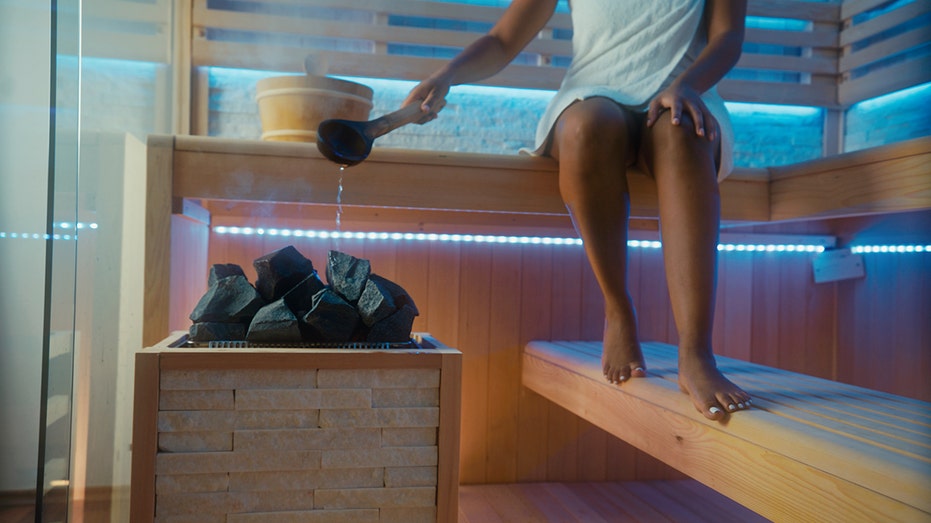
Social media is flooded with wellness influencers swearing by everything from red light therapy to freezing ice baths as the secret to better health and vitality. These trending treatments promise everything from faster muscle recovery and improved skin to enhanced mental clarity and longevity. But do they actually deliver on their bold claims, or are they just expensive placebos riding the wave of wellness culture? A recent deep dive into Wellness Week sought to answer this question by having medical professionals examine the scientific evidence behind these popular health trends.
Medical experts are cautiously skeptical about many of these viral wellness practices. While some treatments show modest benefits supported by preliminary research, the evidence is often far weaker than social media suggests. Red light therapy, for instance, has shown some promise in certain limited studies, but widespread claims about its transformative powers often outpace the actual scientific data. Similarly, cold plunging and ice baths have gained cult-like followings, yet the documented benefits remain modest and may not be suitable for everyone.
The takeaway from expert analysis is clear: before jumping on the next wellness trend, consumers should demand solid scientific evidence rather than relying on testimonials from influencers. While some alternative treatments may offer minor benefits for specific conditions, they’re rarely the game-changers they’re marketed to be. The most reliable path to good health remains the proven fundamentals: balanced nutrition, regular exercise, quality sleep, and stress management.
About the Author