As the midterm elections approach, the White House may find little reassurance in historical precedent. Current approval ratings tell a familiar story—one that has played out before with previous administrations. When presidents face underwater approval numbers heading into midterms, it typically signals rough waters ahead for their party in the ballot box. This cyclical pattern suggests that today’s political challenges are far from unique in American history.
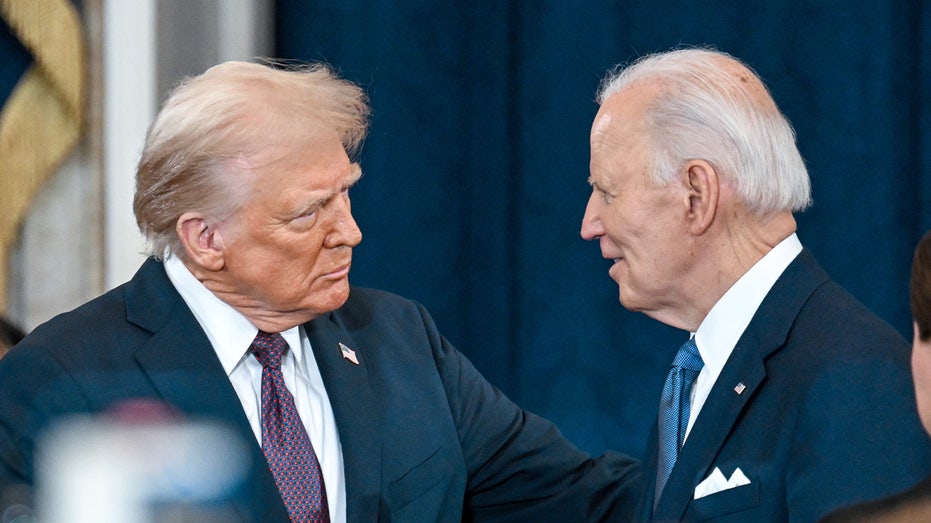
Looking back at recent presidencies reveals a striking consistency. Multiple commanders-in-chief—including Trump, Biden, Obama, and Bush—have all faced declining approval ratings as midterm election season arrived. These dips in public confidence often reflect voter frustration with the economy, foreign policy, or domestic challenges that accumulate during a president’s first two years in office. The polling trends across these administrations demonstrate that this phenomenon transcends party affiliation and individual leadership styles.
Understanding this historical context offers perspective on current political dynamics, even if it doesn’t necessarily provide optimism for those in power. The pattern suggests that midterm elections frequently serve as a referendum on presidential performance, with struggling approval ratings often preceding significant losses for the sitting president’s party. Whether this cycle will repeat itself remains to be seen, but history indicates that voters have consistently held presidents accountable at the ballot box when approval numbers decline.
About the Author